
What Makes Ceremonial Dress So Unique and Meaningful?
Ceremonial dresses, beyond their ornamental value, hold historic significance and values that link the modern world to ancestral traditions http://payitforwardday.com/inspire-me/best-pay-it-forward-stories/. These outfits typically feature delicate craftsmanship that resonates with the spirit of traditional flair and graceful elegance. Maintaining cultural continuity through attire is crucial for many societies, offering a link to ancestral narratives and rites. Such links to forebears is often celebrated through meticulously crafted ceremonial wear. Every hue and design element in ceremonial dress is meant to communicate unique cultural messages.
Across the globe, various cultures have developed unique formal attire customs, each embedding their own stories and meanings. These dresses often feature hand-stitched embroidery, handwoven fabrics, and rare embellishments that reflect centuries of craftsmanship. Moreover, traditional flair seen in ceremonial dress is not merely about appearances; it conveys status, role, and identity in community.
Elegance and emotional resonance is often a core element in the design of ceremonial dress. In many communities, the blending of colors in ceremonial dress creates a visual narrative of communal unity and romantic harmony.
Ceremonial Dress: From Historical Roots to Modern Interpretations
This evolution allows ceremonial dress to remain relevant and cherished in today’s fast-evolving social landscape.
Incorporating romantic harmony and traditional flair in modern ceremonial dress can be delicate, but creative designers succeed at blending these elements effectively.
Individual expression finds space within the structured contours of ceremonial garments. This bespoke approach celebrates the wearer’s unique connection.
Despite modernization, many communities uphold rigorous standards to preserve authenticity. Rules regarding ceremonial dress maintain cultural identity and honor ancestral legacies. In this way, ceremonial dress continues to link past https://aseasidewedding.net/bride-from-venezuela/, present, and future generations in shared cultural expression.
Fundamental Components of Ceremonial Dress
Recognizing these pieces reveals the garment’s cultural depth. Fabrics, colors, intricate decorations, wearable accessories, and design shape all play pivotal roles.
Selecting the right fabric is critical for ceremonial attire and signifies social status. Generally, natural fibers like silk, wool, and cotton are preferred for their luxury, durability, and cultural associations. Modern versions sometimes incorporate synthetics, while striving to keep a traditional look and feel.
Cultural symbolism is strongly expressed through color choices in ceremonial wear. Red may signify joy and prosperity in one culture while white represents purity or mourning in another. The palette is never accidental; it always complements the ceremony’s purpose and rules.
Complex handwork often communicates spiritual or familial lineage, weaving stories into each thread. Elements such as pearl accents and metallic threads elevate the garment’s status and ceremonial weight.
Silhouettes and garment structure also define ceremonial dress. Draping techniques or underskirts may highlight geographic origin or ceremonial function.
These extras not only enhance the visual appeal but also carry symbolic weight. Footwear choice can also be traditionally prescribed, adding to the overall harmony and flair. Ornaments may embody meanings of love, unity, or ancestral blessing.
Tips for Finding the Ideal Ceremonial Dress
Choosing the right ceremonial dress requires considered planning to honor tradition and personal style.
Material comfort is crucial, as many ceremonial events last several hours. Opt for breathable, lightweight fabrics in warmer climates, and richer textures in cooler settings.
An ill-fitting ceremonial dress can detract from its elegance and symbolism. Custom fittings allow the wearer’s personality and cultural identity to shine.
Respect for cultural rules cannot be compromised. Consulting knowledgeable community members can aid in understanding this important aspect.
Finally, balancing modern elegance with cultural legacy in design can create a stunning, meaningful attire.
By thoughtfully selecting elements that respect heritage while reflecting personal taste, anyone can wear a ceremonial dress that honors tradition and feels special.
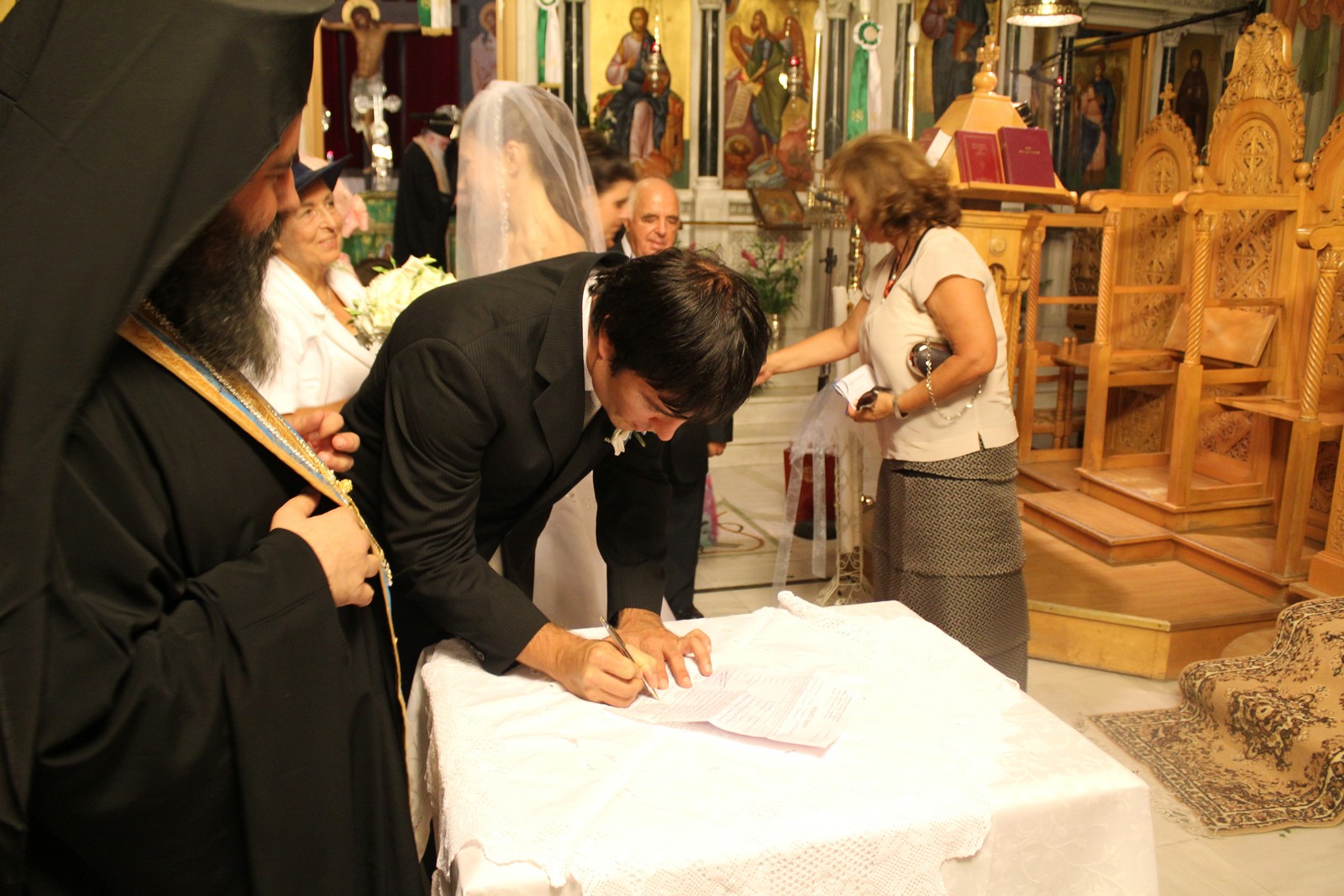
Preserving Ceremonial Dress Traditions for Future Generations
They embody history, social values, and artistic achievements that are passed down through generations.
Passing down skills involved in making ceremonial dress is essential. Craftspeople and cultural custodians play a key role in this preservation.
Events and acknowledgments foster pride and understanding related to traditional attire. Building this knowledge base ensures that ceremonial dress stays relevant and respected.
Fashion designers and contemporary artists can contribute by blending age-old motifs with contemporary styles.
Cultural identity is strengthened as ceremonial dress continues to symbolize unity, harmony, and heritage.